Sustainability has evolved from a marketing buzzword to a fundamental design principle in Gurgaon's real estate development landscape. This transformation reflects growing environmental consciousness, regulatory requirements, operational efficiency considerations, and market demand for responsible development. This comprehensive analysis examines how sustainable building practices are reshaping Gurgaon's real estate narrative in 2025. The Business Case for …
Sustainable Real Estate in Gurgaon: The Green Building Revolution
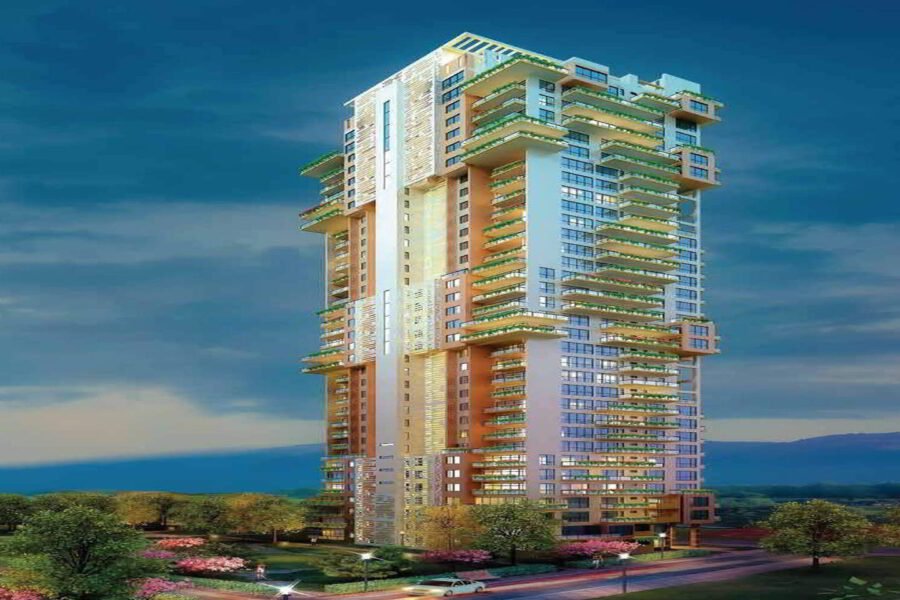
Sustainability has evolved from a marketing buzzword to a fundamental design principle in Gurgaon’s real estate development landscape. This transformation reflects growing environmental consciousness, regulatory requirements, operational efficiency considerations, and market demand for responsible development. This comprehensive analysis examines how sustainable building practices are reshaping Gurgaon’s real estate narrative in 2025.
The Business Case for Green Buildings: Beyond Altruism
Sustainable real estate in Gurgaon demonstrates compelling business advantages:
- Operational cost reduction through energy and water efficiency
- Occupancy rate advantages particularly in commercial developments
- Rental premium potential from environmentally conscious tenants
- Valuation advantages during investment exits and refinancing
- Regulatory compliance simplification anticipating stricter future requirements
- Corporate tenant alignment with ESG objectives and reporting requirements
- Marketing differentiation in competitive development landscape
Green Certification Landscape in Gurgaon
Multiple certification frameworks provide sustainability benchmarks:LEED (Leadership in Energy and Environmental Design):
- Predominant in commercial developments
- International recognition enhancing marketability
- Comprehensive assessment across multiple sustainability dimensions
- Notable projects: DLF Cyber City buildings, Vatika Business Park
GRIHA (Green Rating for Integrated Habitat Assessment):
- India-specific rating system adapted to local conditions
- Government incentives for GRIHA-certified projects
- Focus on resource efficiency and environmental performance
- Notable projects: The Conservatory by Alpha Corp, IREO Grand Arch
IGBC (Indian Green Building Council) Certifications:
- Residential adaptation of green building principles
- Developer-friendly framework with implementation support
- Tiered certification enabling progressive implementation
- Notable projects: Godrej Summit, M3M Sierra
Key Sustainability Features in Gurgaon Developments
Green buildings in Gurgaon incorporate multiple sustainability dimensions:Energy Efficiency:
- Building orientation optimizing natural lighting
- High-performance glazing reducing thermal transfer
- Energy-efficient HVAC systems reducing operational costs
- LED lighting with motion sensing and daylight harvesting
- Renewable energy integration through solar installations
Water Conservation:
- Rainwater harvesting systems reducing municipal dependency
- Low-flow fixtures reducing consumption without compromising experience
- Water recycling for landscaping and non-potable applications
- Smart irrigation systems minimizing landscape water requirements
- Groundwater recharge structures addressing regional water table concerns
Materials and Resources:
- Locally sourced materials reducing transportation carbon footprint
- Recycled content integration reducing virgin material demand
- Waste minimization during construction through planning optimization
- Low-VOC materials improving indoor air quality
- Certified wood products ensuring responsible forestry practices
Innovation in Design:
- Passive cooling strategies reducing mechanical cooling requirements
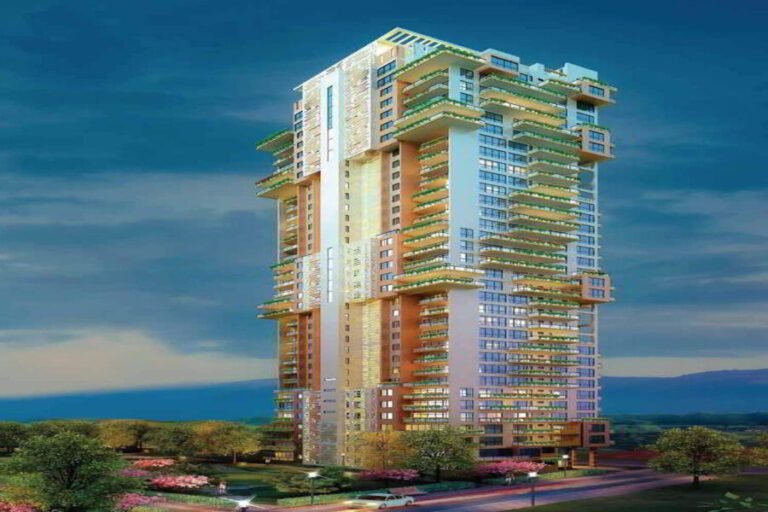
- Green roofs and walls enhancing insulation and biodiversity
- Double-skin facades optimizing thermal performance
- Natural ventilation design reducing mechanical system dependency
- Daylighting strategies reducing artificial lighting requirements
Developer Approaches to Sustainability
Different developers demonstrate varied sustainability commitments:
- DLF’s integrated sustainability across commercial and residential portfolios
- Godrej Properties’ climate commitment with carbon neutrality targets
- Mahindra Lifespaces’ pioneering approach through their Mahindra World City
- Vatika Group’s water conservation focus in water-stressed Gurgaon region
- Tata Housing’s affordable sustainability model democratizing green features
Regulatory Framework Supporting Green Development
Policy initiatives increasingly incentivize sustainable development:
- Fast-track approvals for certified green buildings
- Additional FAR allowances for developments meeting efficiency benchmarks
- Property tax incentives reducing operational costs for compliant buildings
- Mandatory renewable energy requirements for developments exceeding size thresholds
- Water conservation requirements including rainwater harvesting mandates
The Green Premium vs. Brown Discount Phenomenon
Market valuation increasingly reflects sustainability credentials:
- Green premium evolution from marketing distinction to quantifiable value
- Operational cost advantages translating to NOI improvements
- Obsolescence risk mitigation through sustainability integration
- Financing advantages including preferential rates for green certified developments
- Commercial tenant requirements driving adoption through market demand
Beyond Building Design: Sustainable Urban Planning
Comprehensive sustainability extends beyond individual buildings:
- Transit-oriented development reducing transportation carbon footprint
- Mixed-use planning decreasing commute requirements
- Green space integration enhancing biodiversity and wellbeing
- Walkability enhancements promoting healthy communities
- Climate resilience considerations addressing extreme weather risks
Future Trajectory: Net Zero Development
The sustainability frontier moves toward net zero impact:
- Carbon neutral operations through efficiency and renewable integration
- Embodied carbon consideration in material selection and construction
- Water-positive design returning more water than consumed
- Biodiversity net gain approaches enhancing ecological value
- Circular economy principles minimizing waste throughout lifecycle
Conclusion
Gurgaon’s green building revolution represents a fundamental market transformation rather than a passing trend. As sustainability considerations become increasingly integrated into development economics, regulatory frameworks, and market expectations, they establish new baselines for responsible development. For investors and homebuyers, understanding this sustainability trajectory provides crucial context for long-term real estate decisions in a market where environmental performance increasingly correlates with financial performance and future-proofed asset values.