
Introduction The regulatory framework governing Gurgaon's real estate market has undergone significant transformation, creating both challenges and opportunities for stakeholders. From RERA implementation to occupancy certificate compliance, understanding the evolving regulatory landscape is essential for developers, investors, and homebuyers navigating Gurgaon's property market. The RERA Impact: From "Mahabharata" to Structured Marketplace Haryana Real Estate Regulatory …
Regulatory Compliance in Gurgaon Real Estate: Navigating RERA, Urban Planning, and Occupancy Challenges
Introduction
The regulatory framework governing Gurgaon’s real estate market has undergone significant transformation, creating both challenges and opportunities for stakeholders. From RERA implementation to occupancy certificate compliance, understanding the evolving regulatory landscape is essential for developers, investors, and homebuyers navigating Gurgaon’s property market.
The RERA Impact: From “Mahabharata” to Structured Marketplace
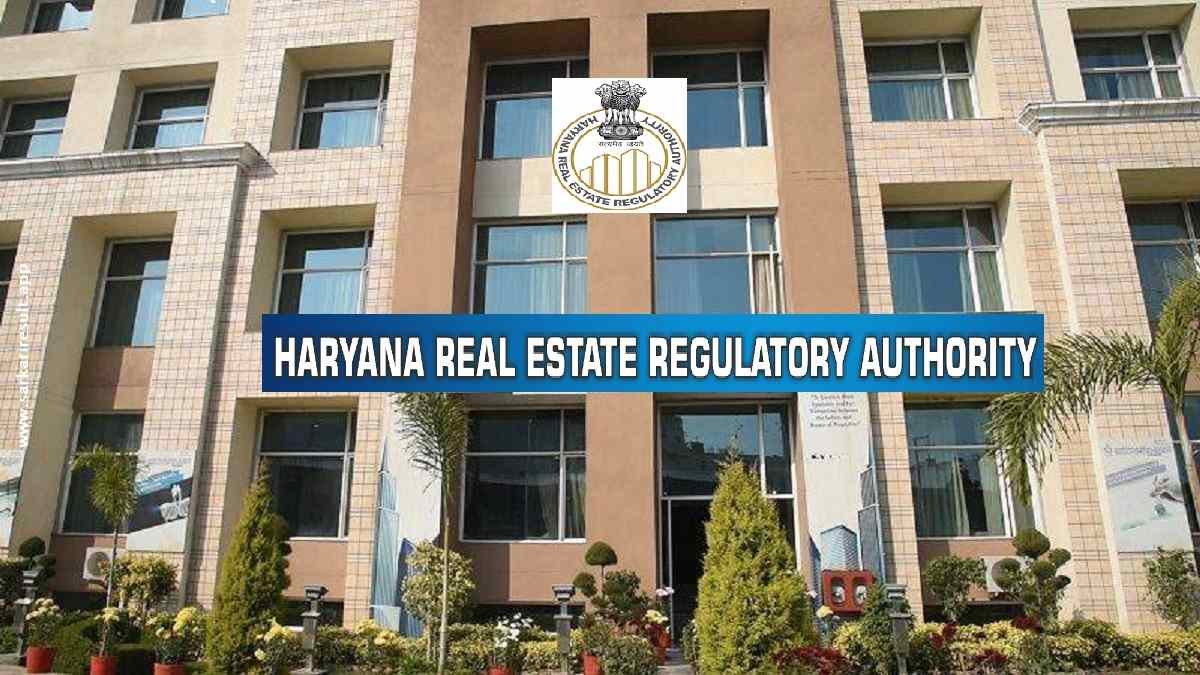
Haryana Real Estate Regulatory Authority (HRERA) Chairman KK Khandelwal aptly compared the pre-RERA real estate sector to the Mahabharata, highlighting how both operated on rules and principles that often favored the powerful. This analogy underscores the transformative impact of RERA on Gurgaon’s property market:
- Increased transparency through mandatory project disclosures
- Financial discipline enforced through escrow requirements
- Standardized documentation protecting consumer interests
- Dispute resolution mechanisms addressing buyer grievances
- Penalties for non-compliance creating deterrence against violations
The Occupancy Certificate Challenge
In Gurgaon, a considerable number of residential, institutional, and commercial buildings operate without valid occupancy certificates, creating significant risks for property owners and occupants:
- Legal implications including potential penalties and restrictions
- Insurance coverage complications during unforeseen events
- Utility connection challenges affecting essential services
- Resale value impact limiting future transaction potential
- Compliance remediation costs exceeding preventive measures
Urban Planning and Licensing Scrutiny
Colony licenses issued in Sector 83 of Gurgaon are now under heightened scrutiny, reflecting broader concerns about development compliance with master planning objectives:
- Land use violations and their implications for development
- Infrastructure adequacy assessments determining carrying capacity
- Environmental compliance considerations affecting project viability
- Density and floor area ratio adherence ensuring planned development
- Public space and amenity provisions meeting regulatory requirements
Developer Accountability Through Regulatory Action
Recent regulatory interventions highlight enhanced accountability mechanisms:
- HRERA directed Vatika Limited to refund approximately 28 homebuyers who booked units, establishing precedent for developer accountability
- Enforcement actions against delayed possessions have increased, providing tangible consumer protection
- Standardized compensation frameworks for delays have emerged, creating predictability in dispute outcomes
- Project registration cancellations serve as ultimate deterrent for non-compliant developers
Navigating Due Diligence: Homebuyer’s Compliance Checklist
Prospective property buyers in Gurgaon should conduct thorough due diligence focusing on:
- RERA registration verification through official portal
- Approved building plan examination ensuring conformity
- Land title clearance confirming ownership legitimacy
- Occupancy certificate status determining completion compliance
- Environmental clearances particularly for projects near sensitive zones
- Encumbrance certificates identifying potential claims or liabilities
- Utility connection approvals ensuring essential service availability
Corporate Governance in Real Estate: The Emerging Frontier
Beyond regulatory compliance, leading developers are embracing enhanced corporate governance practices:
- Financial transparency through detailed project accounting
- Consumer grievance mechanisms addressing homebuyer concerns
- Quality assurance processes ensuring construction standards
- Ethical marketing practices avoiding misleading representations
- Environmental and social governance addressing broader responsibilities
Conclusion
Gurgaon’s evolving regulatory environment represents a critical maturation phase for its real estate market. While enhanced compliance requirements may initially appear burdensome, they collectively strengthen market fundamentals by promoting transparency, accountability, and consumer protection. For investors and homebuyers, understanding this regulatory landscape becomes a crucial component of informed decision-making in Gurgaon’s dynamic property market.